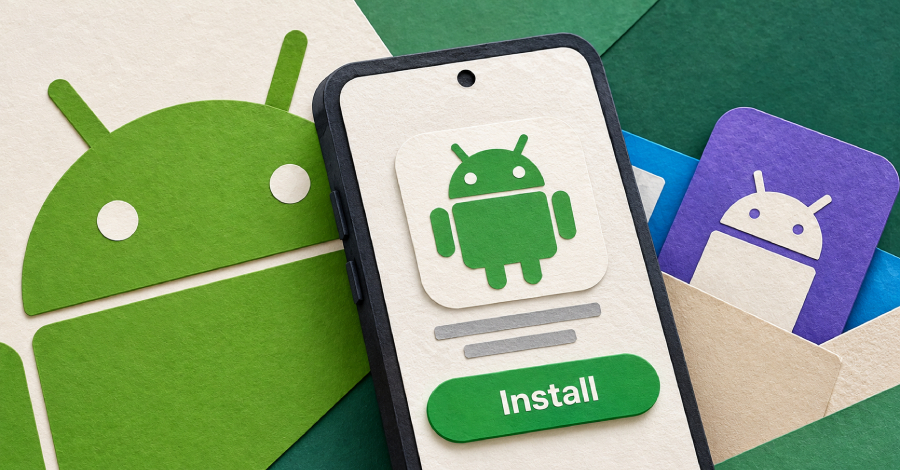
Uchinchi tomon Android ilovalar do'konlari endi Google'dan bir marta bosish bilan ilovalarni o'rnatish ruxsatini so'rashi mumkin — Android'ning odatiy tasdiqlash ekranlarisiz — va ularni fonda yangilashi mumkin.
Malaka olish uchun do'kon shaxsni tekshirishdan o'tishi va Google'ga o'zining to'liq katalogini, shuningdek har bir yangi ilova va yangilanishni doimiy zararli dastur skanerlashi uchun yuborishi kerak. Tasdiqlangan do'konlar 1-dekabrdan boshlab ushbu funksiyalarni oladi, lekin faqat Android 17 QPR2 yoki undan yuqori versiyada ishlaydigan qurilmalarda va qo'llab-quvvatlanadigan mamlakatlarda, AQSh bu ro'yxatga kirmaydi.
Bugungi kunda foydalanuvchi uchinchi tomon do'konidan ilovalarni o'rnatishda avval do'konga ilovalarni o'rnatish ruxsatini berishi, so'ngra har bir o'rnatish va har bir yangilanishni tasdiqlashi kerak. 1-dekabrdan boshlab Google'ning Ro'yxatdan o'tgan Ilovalar Do'konlari dasturidagi do'kon tasdiqlangandan so'ng ushbu ruxsatni avtomatik ravishda oladi va uning yangilanishlari foydalanuvchining o'z yangilanish sozlamalari ostida fonda ishlaydi.
Google bu dasturni mart oyida e'lon qildi, Epic Games bilan nizolarini hal qilgan o'zgarishlar bilan birga. Qo'shilish ixtiyoriy, va tashqarida qolgan do'konlar bugungi kunda ishlaganidek ishlashda davom etadi.
Google qoidalariga ko'ra, do'kon hali ham har bir o'rnatish uchun foydalanuvchining aniq roziligini olishi va "foydalanuvchi roziligisiz ilovalarni yashirincha o'rnatmasligi" kerak. Katta yuklab olishlar va fonda o'rnatishlar ishlayotganda ko'rinadigan bildirishnomani ko'rsatishi kerak.
Agar o'rnatish boshqa qurilmada boshlansa, do'kon avtomatik ravishda yopilmaydigan bildirishnomani ko'rsatishi kerak.
IT ma'murlari ro'yxatdan o'tgan do'konlarni boshqariladigan qurilmalarda o'rnatishdan bloklashi mumkin. Google'ning dastur sahifalarida blok allaqachon o'rnatilgan do'konga ham tegishli yoki yo'qligi aytilmagan.
Katalog skanerlashidan tashqari, Google talablari do'kon quyidagilarni bajarishi kerakligini aytadi:
- tashkilot sifatida ro'yxatdan o'tishi va Android dasturchi tekshiruvi, Google'ning ilova dasturchilari uchun shaxsni tekshirish tizimi ostida o'z dasturchi shaxsini tasdiqlangan holda saqlashi
- o'z ilovasining har bir versiyasini Google'ga zararli dastur tekshiruvi uchun yuborishi, bu versiya veb va boshqa kanallar orqali e'lon qilingan versiya bilan to'liq mos kelishi kerak
- o'z katalogida zararli dastur va boshqa potentsial zararli ilovalarni saqlamaslik uchun ishlashi
- e'tiboriga tushgan asosiy xavfsizlik kamchiliklarini tuzatishi
- boshqa ilovalar do'konlarining o'rnatilishini bloklamasligi, ularga aralashmasligi yoki Android'ning xavfsizlik bildirishnomalarini yashirmasligi yoki o'zgartirmasligi
- yillik 10 000 dollar to'lovni to'lashi, bu Google tekshiruvni boshlashdan oldin to'lanishi kerak
Har bir do'kon o'z katalogidagi hamma narsa uchun javobgar va mas'ul bo'lib qoladi. Google ro'yxatdan o'tgan do'konlardagi kontentni moderatsiya qilmaydi.
Agar 30 kunlik davrda o'rnatish urinishlarining 1% dan ortig'i yoki do'kon ilovalarining 2% dan ortig'i potentsial zararli deb topilsa, Google katalogni skanerlash va tozalash uchun qo'shimcha to'lovlar oladi.
Har qanday talabni, shu jumladan o'z vaqtida to'lashni bajarmagan do'kon muammo hal qilinmaguncha dasturdan chiqarilishi mumkin. Google avval xabar beradi va tuzatish imkoniyatini beradi.
Google'ning dastur sahifalarida yuborilgan ilovalar qanday skanerlashi, yangi yuklamalar qanchalik tez tekshirilishi yoki tekshiruvlar qanday natijalar berishi tasvirlanmagan.
Ro'yxatdan o'tgan do'konlar shuningdek Google vositasi — Android Developer ID API ni oladi, bu ularning katalogidagi har bir ilova tasdiqlangan dasturchidan kelganini va o'rnatilishi mumkinligini tekshirish uchun ishlatiladi. Google do'konlarga tekshiruvdan o'tmagan ilovalarni o'rnatishni bloklashni tavsiya qiladi.
Android dasturchi tekshiruvi alohida Google dasturi bo'lib, hozirda yetti ilovalar do'koni bilan birinchi bosqichda. 30-sentabrdan boshlab Braziliya, Indoneziya, Singapur va Tailandda sertifikatlangan Android qurilmalari ushbu do'konlardan kelgan ilovalar tasdiqlangan dasturchilardan kelganini tekshirgan, Google ma'lumotiga ko'ra. Google 2027-yilda tekshiruvlarni butun dunyo bo'ylab kengaytirishni rejalashtirmoqda.
Mavjudlik har bir foydalanuvchining uy mamlakatiga bog'liq. Qo'llab-quvvatlanmaydigan mamlakatlarga qisqa safarlar bir marta bosish bilan o'rnatish yoki avtomatik yangilanishni o'chirmaydi.
Android 17 QPR2 Android'ning choraklik platforma nashrlaridan (QPR) biri. Uning so'nggi versiyasi, 16-oktabrda chiqarilgan, hali ham beta, va Google'ning nashr eslatmalarida yakuniy nashr sanasi berilmagan.
AQShda uchinchi tomon do'konlarini Google Play orqali tarqatish uchun alohida Google dasturi 22-iyuldan beri amal qiladi.
Ushbu maqola sizni qiziqtirdimi? Bizni Google News, Twitter va LinkedIn'da kuzating, biz e'lon qiladigan eksklyuziv kontentni o'qish uchun.
Third-party Android app stores can now apply to Google for permission to install apps with one tap, without Android's usual confirmation screens, and to update them in the background.
To qualify, a store must pass identity checks and send Google its full catalog, along with every new app and update, for ongoing malware scanning. Approved stores get the features from December 1, but only on devices running Android 17 QPR2 or later in supported countries, which do not include the US.
Today, a user installing apps from a third-party store must first enable the store to install apps, then confirm each install and each update. From December 1, a store in Google's Registered App Stores program gets that permission automatically once it is approved, and its updates run in the background under the user's own update settings.
Google announced the program in March, alongside changes it said resolved its disputes with Epic Games. Joining is optional, and stores that stay out will continue to operate as they do today.
Under Google's rules, the store must still get the user's explicit consent for each install and "must not install apps silently without user consent." Large downloads and background installs must show a visible notification while they run.
If an install is started on another device, the store must show a notification that does not close automatically.
IT administrators can block registered stores from being installed on managed devices. Google's program pages do not say whether the block also applies to a store that is already installed.
Beyond the catalog scanning, Google's requirements say a store must:
- be registered as an organization and keep its developer identity verified under Android developer verification, Google's identity check for app developers
- send every version of its own app to Google for malware screening, exactly matching the version it publishes on the web and through other channels
- work to keep malware and other potentially harmful apps out of its catalog
- fix major security flaws that come to its attention
- not block other app stores from being installed, interfere with them, or hide or change Android's security notifications
- pay a $10,000 yearly fee, due before Google starts its review
Each store stays responsible and liable for everything in its catalog. Google won't moderate the content in registered stores.
If more than 1% of install attempts or more than 2% of a store's apps are found to be potentially harmful over a 30-day period, Google charges additional fees to screen and clean up the catalog.
A store that fails to meet any requirement, including paying on time, can be removed from the program until the issue is resolved. Google gives notice and a chance to fix it first.
Google's program pages do not describe how submitted apps are scanned, how quickly new uploads are checked, or what results the checks produce.
Registered stores also get a Google tool, the Android Developer ID API, to check whether each app in their catalog comes from a verified developer and can be installed. Google recommends that stores block installs of apps that fail the check.
Android developer verification is a separate Google program, now in its first phase with seven app stores. Since September 30, certified Android devices in Brazil, Indonesia, Singapore and Thailand have checked that apps from those stores come from verified developers, according to Google. Google plans to extend the checks worldwide in 2027.
Availability follows each user's home country. Short trips to unsupported countries do not turn off one-tap installs or automatic updates.
Android 17 QPR2 is one of Android's quarterly platform releases (QPRs). Its latest version, released October 16, is still a beta, and Google's release notes give no date for the final release.
In the US, a separate Google program for distributing third-party stores through Google Play has been in effect since July 22.
Found this article interesting? Follow us on Google News, Twitter and LinkedIn to read more exclusive content we post.